
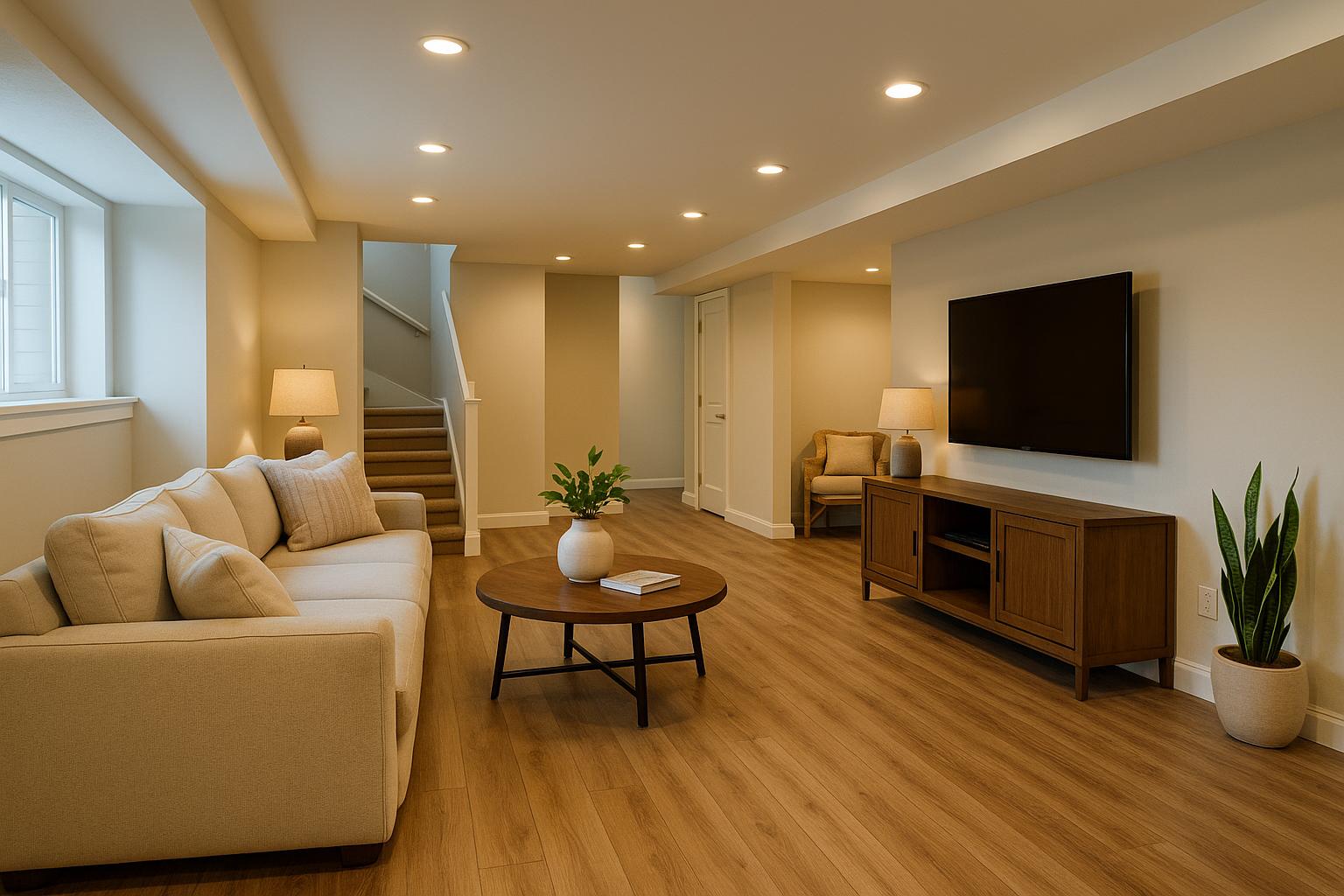
Why San Diego Basements Are Different From the Rest of the Country
When most people think about basement remodeling, they picture homes in the Midwest or Northeast where basements are standard. In San Diego, basements are less common but far from nonexistent — and when you do have one, finishing it properly can add serious value to your home and dramatically expand your usable living space.
But here's the thing: the advice you find online about basement remodeling is usually written for climates that are nothing like ours. San Diego's mild temperatures, coastal humidity, and unique soil conditions all play a role in how your basement project should be planned and executed. If you're sitting on an unfinished or underused basement in Point Loma, Clairemont, or anywhere else in the greater San Diego area, this guide will walk you through the key considerations before you pick up the phone to call a contractor.
Understanding Moisture in a Coastal Climate
One of the biggest misconceptions about San Diego is that because we don't get much rain, moisture isn't a concern in basements. That couldn't be further from the truth. Homes near the coast — especially in neighborhoods like Ocean Beach and La Jolla — deal with persistent ambient humidity from the marine layer. This moisture can seep into below-grade spaces through concrete walls and floors, even when it hasn't rained in weeks.
Before any finishing work begins, a thorough moisture assessment is essential. This means:
- Testing concrete moisture levels with a calcium chloride test or relative humidity probe
- Inspecting walls and floors for signs of efflorescence (white mineral deposits), staining, or musty odors
- Evaluating exterior drainage to make sure water flows away from the foundation
If moisture issues are found, basement waterproofing should be the first step — not an afterthought. Installing a proper vapor barrier, interior drainage system, or exterior waterproofing membrane protects your investment and prevents mold growth down the road. Skipping this step to save money upfront almost always costs more in the long run.
Choosing the Right Materials for Below-Grade Spaces
Standard building materials don't always perform well in basements. The temperature differential between a below-grade concrete slab and the air inside a finished basement can cause condensation, warping, and material failure if you choose the wrong products.
Flooring
Traditional hardwood is generally not recommended for basement installations in San Diego. Instead, consider these options:
- Luxury vinyl plank (LVP): Waterproof, durable, and available in styles that closely mimic real wood
- Engineered hardwood: More stable than solid hardwood and better suited for below-grade conditions
- Porcelain tile: Excellent for basements, especially in homes closer to the coast where humidity is higher
Walls and Insulation
Closed-cell spray foam insulation is one of the best choices for San Diego basements because it acts as both insulation and a vapor barrier. Avoid using paper-faced fiberglass batts against concrete walls — they trap moisture and become a breeding ground for mold. For framing, some contractors recommend using pressure-treated lumber for the bottom plates or metal studs to eliminate wood rot risk entirely.
Permits and Building Codes in San Diego
If you're converting an unfinished basement into livable space, you'll almost certainly need permits from the City of San Diego. This is especially true if the project involves:
- Adding or modifying electrical circuits
- Installing new plumbing for a bathroom or wet bar
- Creating a bedroom (which requires an egress window or door per California building code)
- Any structural modifications
Working without permits might seem like a shortcut, but it creates real problems when you try to sell your home. Unpermitted work can derail a sale, reduce your home's appraised value, or force you to tear out finished work for inspection. A reputable remodeling company will handle the permit process for you and make sure everything is built to code.
Popular Ways San Diego Homeowners Use Finished Basements
Because outdoor living is such a big part of life here, San Diego homeowners tend to use their basements a little differently than folks in other parts of the country. Some of the most popular basement conversions we see include:
- Home offices: With remote work here to stay for many San Diegans, a quiet below-grade office space is incredibly appealing
- Guest suites: San Diego is a destination city — having a comfortable guest suite means you're always ready for visitors
- Home gyms and wellness rooms: The naturally cooler temperatures of a basement make it ideal for working out
- Media and entertainment rooms: Basements offer natural sound isolation, making them perfect for home theaters
- Accessory dwelling units (ADUs): Depending on your property and zoning, a basement conversion to an ADU can generate rental income in one of the country's most expensive housing markets
Budgeting Realistically for Your Basement Project
Basement remodeling costs in San Diego vary widely depending on the scope of work, the condition of the existing space, and the finishes you choose. As a general guideline, homeowners should expect to invest between $30 and $75 per square foot for a quality basement finish, though projects involving extensive waterproofing, plumbing additions, or high-end finishes can go higher.
Here are a few tips to keep your budget on track:
- Get a detailed scope of work in writing before signing any contract
- Build in a contingency of 10-15% for unexpected issues — older San Diego homes especially can have surprises behind the walls
- Prioritize waterproofing and structural work over cosmetic upgrades if budget is tight
- Ask about phased approaches if you want to spread the investment over time
The most important thing is to work with a contractor who gives you honest numbers from the start. Lowball estimates that balloon during construction are one of the biggest frustrations homeowners face in the remodeling industry.
Finding the Right Contractor in San Diego
Not every remodeling contractor has experience with below-grade construction. Basements require specialized knowledge about moisture management, structural considerations, and building code requirements that differ from above-grade renovations. When evaluating contractors, ask these questions:
- How many basement projects have you completed in the San Diego area?
- What is your approach to moisture testing and waterproofing?
- Do you handle permits, and will all work be inspected?
- Can you provide references from recent basement remodeling clients?
A contractor who answers these questions confidently and transparently is worth their weight in gold. Your basement is literally the foundation of your home — the work done there needs to be right.
Ready to Unlock Your Basement's Potential?
Whether you're in Mission Valley with a partially finished basement or sitting on a completely raw space in Clairemont, transforming that square footage into something functional and beautiful is one of the smartest investments you can make in your San Diego home. The key is planning carefully, choosing the right materials for our climate, and working with a team that knows what they're doing below grade.
At High Point Basement, we specialize in exactly this kind of work. We'd love to talk through your project, assess your space, and give you a straightforward plan to make it happen. Reach out to us for a consultation — no pressure, just honest advice from people who care about doing great work.